In 2025, Taobao and DHgate dominate US App Store rankings in a way few analysts expected, with both Chinese shopping apps climbing into the top free downloads among Apple’s U.S. users. This surge highlights how social media trends, pricing pressures and broader retail shifts are changing where Americans shop online.
Key takeaways
- Taobao soared into the Top 5 free iOS apps in the U.S., a dramatic increase from prior positions.
- DHgate reached the No. 2 free app ranking among all categories, edging out major retailers.
- Viral TikTok content and concerns over tariffs helped fuel consumer interest.
Are Taobao and DHgate really topping US charts?
Yes — in mid-April 2025, Taobao hit the Top 5 overall on the U.S. App Store while DHgate reached No. 2 among free apps, showing strong download velocity.
Why Taobao and DHgate Are Rising
Both Taobao and DHgate have seen unprecedented download growth in the U.S. market as of April 2025. According to mobile intelligence data, Taobao recorded roughly 185,000 downloads in April, a 514 % jump from the previous month, while DHgate surged into the top free app rankings, temporarily outpacing major names like Walmart, Amazon, Shein and Temu.
This trend is notable because Taobao had never before reached the overall Top charts in the U.S. App Store going back to at least 2017, making its climb especially significant.
Experts point to changes in consumer behavior — driven by viral social media content that claims luxury and designer goods are produced in China and can be bought more cheaply by bypassing brand markups — as one key driver of interest.
Learn how AI is reshaping global e-commerce apps in ai powered applications crypto blockchain.
The TikTok Effect and Tariff Fears
A major factor behind the spike has been viral TikTok videos explaining how many Western-branded products are manufactured in China before being relabeled. These clips encourage U.S. shoppers to try apps like Taobao or DHgate to cut out middlemen and perceived markups.
Simultaneously, heightened U.S. tariffs on Chinese imports, including a 145 % levy announced in early April 2025, have fueled anxiety about rising prices on other platforms like Shein and Temu, prompting some consumers to look for alternatives.
Do tariffs actually make Taobao and DHgate cheaper?
Not necessarily — tariffs still apply to imports from these platforms, but many consumers perceive that buying direct or “factory-style” deals may offer better value relative to branded retail.
How This Reflects Broader Shopping Trends
The rise of these apps in the U.S. app charts reflects deeper shifts in online shopping:
- Americans are willing to experiment with non-traditional retail apps.
- Social media plays a bigger role in discovery than ever before.
- Price sensitivity is rising amid inflation and import tariff changes.
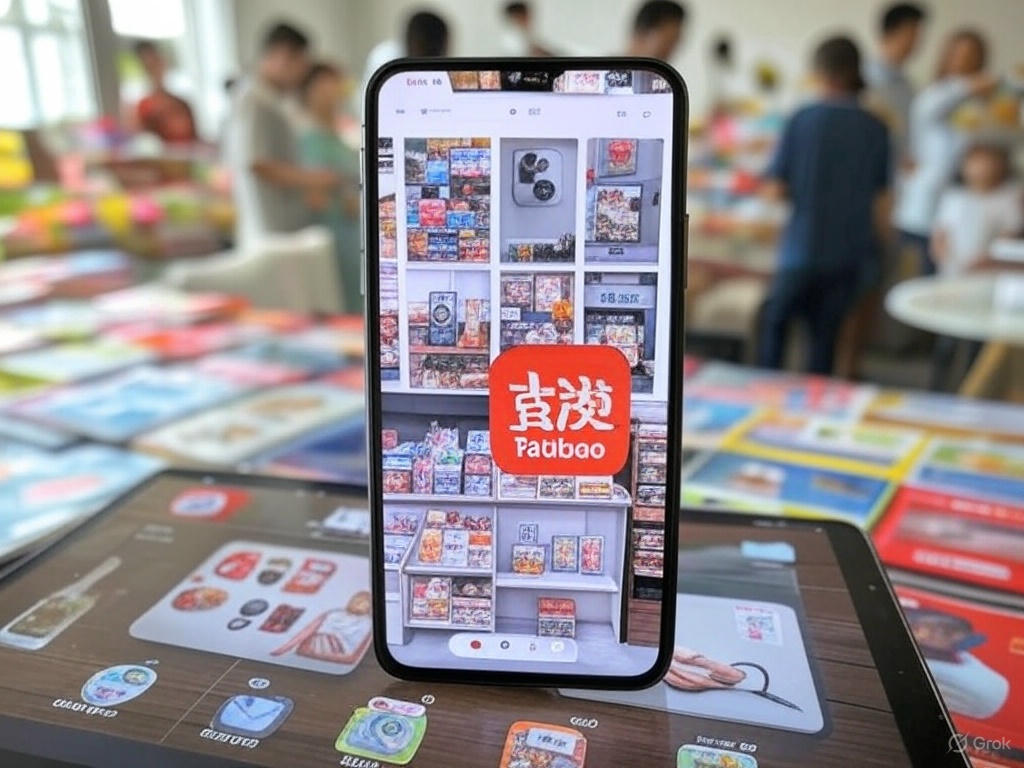
Chinese apps — including Taobao, DHgate, and other marketplaces like Alibaba International Station — have all climbed in download rankings in recent weeks, reshaping how global e-commerce intersects with American consumers.
Challenges and Consumer Cautions
Despite the popularity surge, experts urge caution. Quality control can be inconsistent on these platforms, with wide variance in seller reliability, delivery times and product authenticity compared with established retailers. Community forums and consumer watchdogs advise reading seller reviews carefully and examining user-posted photos before purchasing.
Additionally, changes to U.S. trade rules — including the planned end of the de minimis exemption for low-value imports — could increase costs for individual buyers later in 2025 or 2026, potentially reducing the perceived pricing advantage of direct-from-China shopping.
What This Means for the Future of Shopping
The dominance of Taobao and DHgate in US App Store rankings highlights the power of social media trends and price-driven consumer behavior. Whether these platforms maintain their footprint in the U.S. depends on how pricing, tariffs, trust and quality assurance evolve.
Many analysts see this as part of a broader shift toward cross-border e-commerce, where global supply chain narratives and digital discovery reshape how shoppers evaluate value.
As 2026 unfolds, shoppers and retailers alike will be watching whether these surges translate into long-term engagement or temporary trend-driven spikes across the mobile retail landscape. See how offline-first apps influence marketplace performance in ai pwa offline.
Conclusion
Taobao and DHgate’s ascent into the upper ranks of the U.S. App Store in 2025 is more than a chart anomaly — it is a reflection of changing consumer preferences, social media influence and evolving retail economics. Whether this trend leads to sustained disruption or refines how major retailers compete, it underscores a new era in mobile marketplace engagement.
Are Taobao and DHgate likely to stay popular?
Their future in the U.S. market hinges on pricing, trust, quality control and how trade rules evolve, with the coming years likely defining whether this growth continues.