Key Takeaways
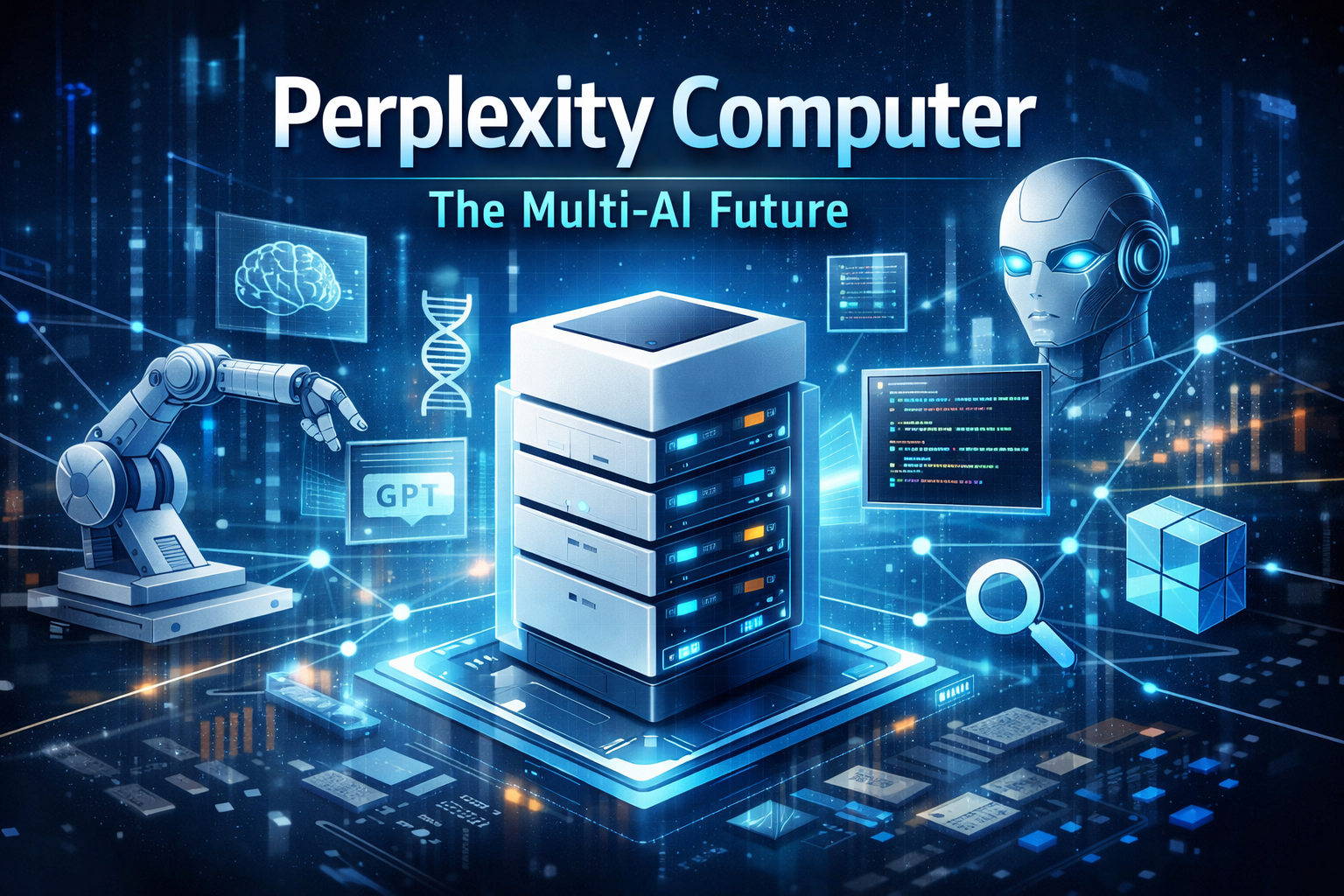
- Perplexity Computer launches as a cloud-based “AI agent” that coordinates 19 different AI models to perform complex workflows.
- Designed for advanced subscribers, the tool runs in the cloud and can spawn sub-agents tailored to specific tasks.
- This multi-model approach highlights a trend away from single-AI solutions toward ecosystems of specialized models.
- Critics note that early demos were postponed due to flaws, underscoring ongoing development trade-offs.
What Is Perplexity Computer and Why It Matters
The emergence of Perplexity Computer is sparking a fresh wave of discussion about what users really need from AI tools. According to the company, Perplexity Computer “unifies every current AI capability into a single system,” orchestrating dozens of models to interpret screens, reason about tasks, and execute multi-step workflows autonomously.
It’s not a traditional desktop PC or laptop. Instead, Perplexity Computer is a cloud-based AI agent designed to think across models, break complex requests into sub-tasks, and complete them without constant human prompts a significant step beyond chat-only interfaces.
Does Perplexity Computer Replace Traditional AI Tools?
Many users ask if this new tool makes standalone AI apps obsolete. The short answer: not entirely. Perplexity Computer is built for automated, multi-stage workflows across models ideal for research, data synthesis, or workflows that require task decomposition but it doesn’t necessarily replace single-purpose assistants like GPT-powered chat or voice AI. Instead, it signals a shift toward agent-style AI tools capable of running workflows end-to-end.
How Multiple Models Work Together
Perplexity’s approach reflects an important evolution in AI:
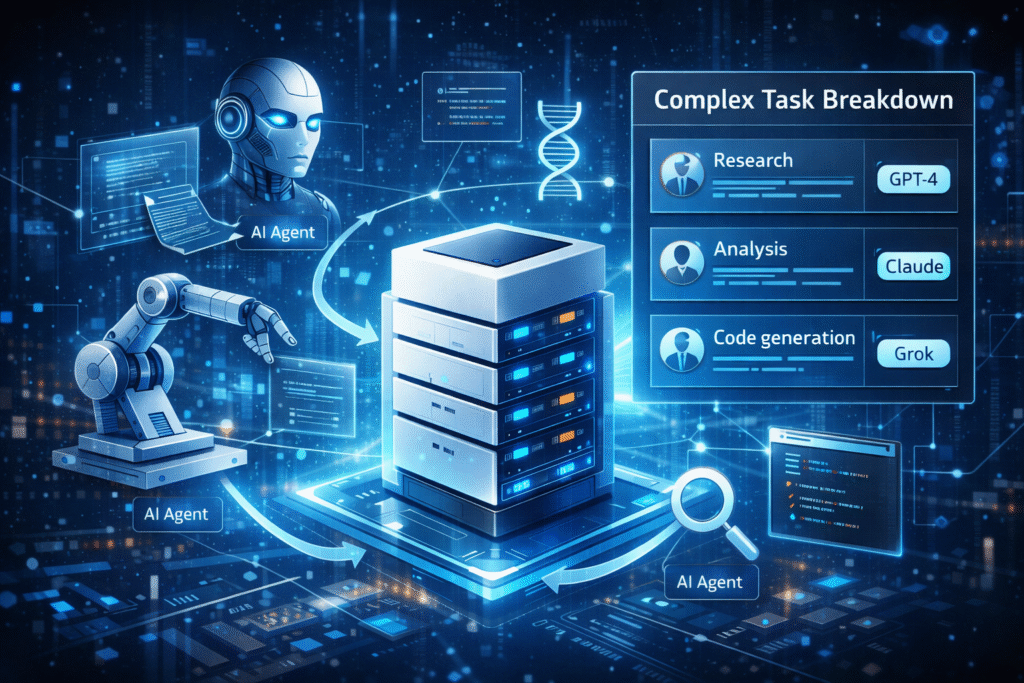
- Models like OpenAI’s GPT, Claude, Grok, and others each have unique strengths e.g., reasoning, code generation, or research.
- Perplexity Computer dynamically routes different parts of a task to the best model.
- It uses subagents smaller task-specific AI workers to handle each step of a process.
This multi-AI model orchestration means tasks that would otherwise require manual prompting across multiple tools can be automated under a unified interface.
In practical terms, stakeholders have shared examples of Perplexity Computer being used to approximate complex workflow systems, such as financial analysis dashboards though with limitations compared to specialised enterprise platforms.
How Perplexity Computer Changes the AI Landscape
Automation-First vs. Interactive AI
Traditional chatbots excel at interactive conversation you ask, they respond. Perplexity Computer flips this model by initiating action independently, working asynchronously across models to deliver finished outputs.
This trend mirrors broader industry movement toward agentic AI tools that can act automatically rather than just respond.
Is Perplexity Computer Only for Enterprises?
At launch, Perplexity Computer is available only at the highest subscription tier the Perplexity Max plan which costs around $200 per month.
This positions the tool as a premium service aimed at:
- Deep research roles
- Professional analysts
- Workflows requiring cross-model logic
- Automating repetitive or multi-stage AI requests
For everyday use, the standard Perplexity search engine continues to serve users with grounded AI answers and citation-backed responses.
Q: What makes Perplexity Computer different from traditional AI assistants?
Perplexity Computer doesn’t just respond to questions it orchestrates multiple models to execute workflows autonomously, often breaking large tasks into sub-steps and handling each with the best-suited model available.
Multi-AI Architecture: Why It Matters
For years, many AI products have centred around a single core language model. But as workloads diversify from financial research to technical summarisation and beyond reliance on one model becomes a bottleneck. Perplexity Computer aims to overcome this by leveraging:
- Best-of-breed models for specific tasks
- Dynamic selection of agents depending on query complexity
- Cloud-based execution for seamless coordination
This philosophy could accelerate workflows in areas such as corporate research, complex content production, and multi-stage automation jobs.
Is Perplexity Computer secure and reliable?
Early demonstrations were postponed due to flaws discovered by Perplexity’s engineers, highlighting the challenge of coordinating multiple models in real-time. Feedback suggests that security and reliability are ongoing priorities but not fully tested at scale yet.
Broader Industry Implications
The launch of Perplexity Computer aligns with emergent trends in the AI ecosystem:
- AI agents that act autonomously rather than merely assist
- Integration of diverse models into unified workflows
- Subscription-based premium access for advanced capabilities
Industry analysts note that tech giants and startups alike are experimenting with agent-style interfaces that go beyond chat a space that Perplexity Computer now occupies squarely.
However, multi-agent orchestration isn’t without risk — coordination complexity, model conflict, and task oversight can introduce reliability and ethical concerns if mismanaged.
Connecting the Dots with Related AI Discussions
Perplexity’s navigation of model diversity recalls broader concerns around API exposure and model orchestration similar to worries raised in debates over publicly exposed APIs and how they can jeopardise security and control. (See our exploration of publicly exposed APIs on Techyknow for more on risk factors in distributed AI systems.)
Meanwhile, competitive tensions between AI platforms like the recent comparison between OpenAI and Grok / ChatGPT controversies reflect a broader industry pushing for differentiation through capability rather than centralisation. Understand more about that debate here: Musk bashes openai deposition over grok chatgpt
Final Thoughts: The Future Is Multi-AI
Perplexity Computer isn’t just a new product it’s a statement about how AI tools could evolve. Instead of a singular intelligence, users might increasingly rely on collaborative AI ecosystems where the right model is selected for the right task.As workflows become more complex especially in enterprise and research contexts tools like Perplexity Computer may set the standard for what it means to delegate work to AI rather than interact with AI.